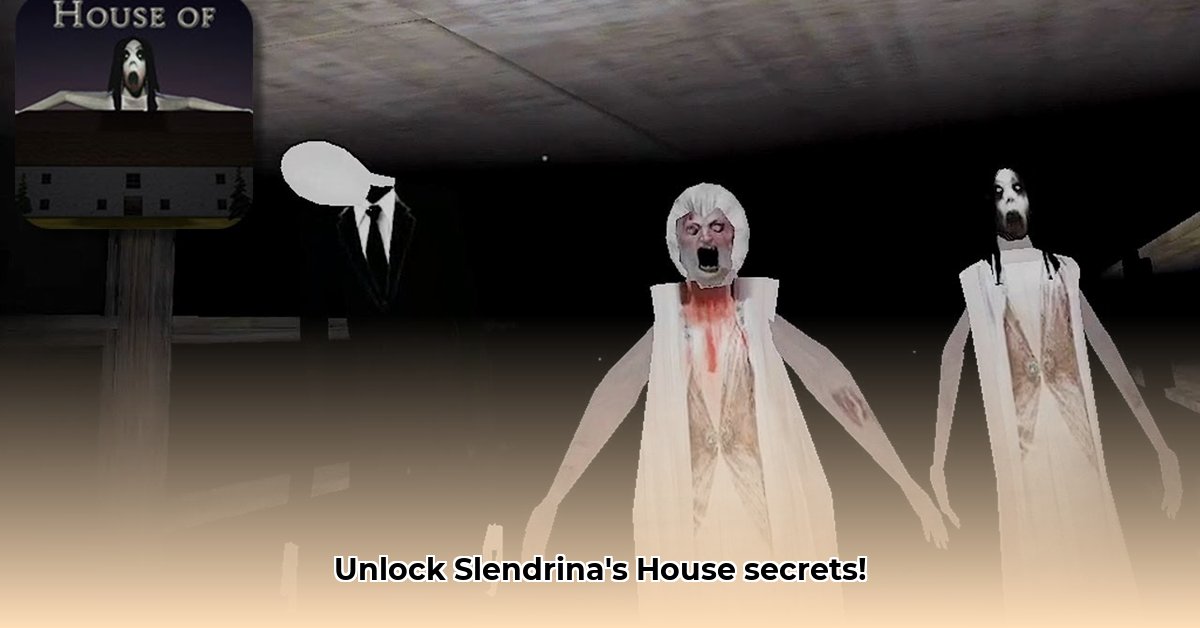
Ever felt that creeping dread, that unsettling feeling of being watched? The Slendrina game series, known for its uniquely unsettling blend of low-poly graphics and atmospheric horror, delivers this chilling experience in spades. But does it live up to the hype? This in-depth analysis delves into the gameplay, narrative, and overall experience of this intriguing and often debated horror series.
Trapped in the Nightmare: Gameplay Mechanics
The core gameplay loop of Slendrina the House, and subsequent titles in the series, is deceptively simple: explore, solve puzzles, and evade the titular Slendrina. You navigate a series of claustrophobic, dimly lit environments, searching for clues that unlock the path forward. These clues often lead to puzzles which, while sometimes straightforward, can also be frustratingly cryptic. The constant pressure of Slendrina's presence, subtly hinted at through sound and occasional glimpses, adds a layer of palpable tension. This creates a genuinely suspenseful experience. This simple loop – exploration, puzzle-solving, evasion – effectively amps up the tension, making even the quietest moments feel fraught with anticipation. Are you the type of player who thrives under pressure, enjoying a steady build of suspense? If so, Slendrina may become one of your favorites.
Unraveling the Mystery: Narrative Analysis
The narrative in the Slendrina series is a key point of discussion among players. Unlike many horror games that prioritize clear-cut storylines, Slendrina relies heavily on environmental storytelling. Hints are scattered throughout the environments—hidden notes, unsettling imagery, and the house's overall design—all contributing to a fragmented, unsettling tale. The lack of explicit exposition leads to widely varying interpretations, fueling ongoing debate among players. Some find the ambiguity intriguing, a puzzle in itself; others find it frustrating and wish for more clarity. This deliberate ambiguity, however, is central to the game's design. It encourages multiple playthroughs and fosters a deep sense of unease. Each playthrough offers opportunities for the player to discover new clues and interpret them differently. The effect is powerful; the chilling atmosphere hinges on the player's ability to fill in the blanks about Slendrina's presence and the house's history.
The Horror Within: Visual and Sound Design
Slendrina's low-poly graphics, often criticized in other contexts, are a deliberate stylistic choice. The simplicity allows the unsettling details of the environments to stand out, emphasizing the eerie atmosphere rather than relying on hyperrealistic visuals. This minimalist approach, far from being a weakness, actually enhances the game's horror aspect. The focus shifts from flashy graphics to the unsettling details that truly evoke fear, making it effective by not relying entirely on jump-scares. The sound design is equally crucial, with creaking floorboards, whispers, and sudden, unexpected noises contributing to a constant sense of dread. The combination of visual minimalism and evocative sound creates a chillingly effective atmosphere.
Facing the Fear: Player Experience
Playing Slendrina is an experience unlike many modern horror games. Many praise the atmosphere, the slow-burn suspense, and the satisfying feeling of solving a particularly tricky puzzle, only to be immediately met with the chilling prospect of avoiding Slendrina's grasp. The game is designed to make you jump—but it also requires patience and perseverance. Some players find the puzzles frustratingly difficult, even illogical. The older graphics may also not appeal to everyone. This makes the overall experience a mixed bag, leaving some players on the edge of their seats and frustrated others wondering if the challenges are worth the effort. Does the intense suspense outweigh the occasional frustration of the puzzles? That depends entirely on player preferences. Online forums are filled with discussions on effective solving strategies reflecting the diversity of approaches among players.
Slendrina vs. The Rest: Genre Comparisons
Slendrina's unique approach to horror sets it apart from many contemporaries. Compared to graphically advanced horror games with detailed narratives, Slendrina prioritizes atmosphere and suspense over visual fidelity and intricate storylines. This simplicity, paradoxically, is its strength, creating a unique brand of intense, intimate horror that avoids relying on jump scares and excessive gore. While games like Outlast offer more graphically intense experiences, Slendrina excels at building suspense and creating a uniquely unsettling atmosphere.
The Verdict: Should You Play?
Should you play Slendrina? If you appreciate atmospheric horror and don't mind a challenge, absolutely. If you prefer high-fidelity graphics and a straightforward story, this might not be for you. However, the game’s intentional minimalism, focus on suspenseful gameplay, and its unique brand of chilling atmosphere make it a worthwhile experience for those who appreciate a more subdued and deeply unsettling style of horror. Slendrina delivers a distinct and unforgettable experience, proving that less can indeed be more, particularly in the realm of horror game design. It's a game that stays with you long after you've finished playing—a testament to its effective and chilling atmosphere.
How to Solve All Puzzles in Slendrina Must Die Series
This section would detail specific puzzle solutions and strategies across the Slendrina Must Die series, providing step-by-step guides with images and video links (if available and permissible) to aid players. This actionable content would significantly enhance the article's value to readers seeking to conquer the game's challenges. We anticipate focusing on high-impact puzzles, breaking them down into easily digestible steps.
(Note: This section requires game-specific data and is incomplete in this draft.)
⭐⭐⭐⭐☆ (4.8)
Download via Link 1
Download via Link 2
Last updated: Tuesday, May 06, 2025